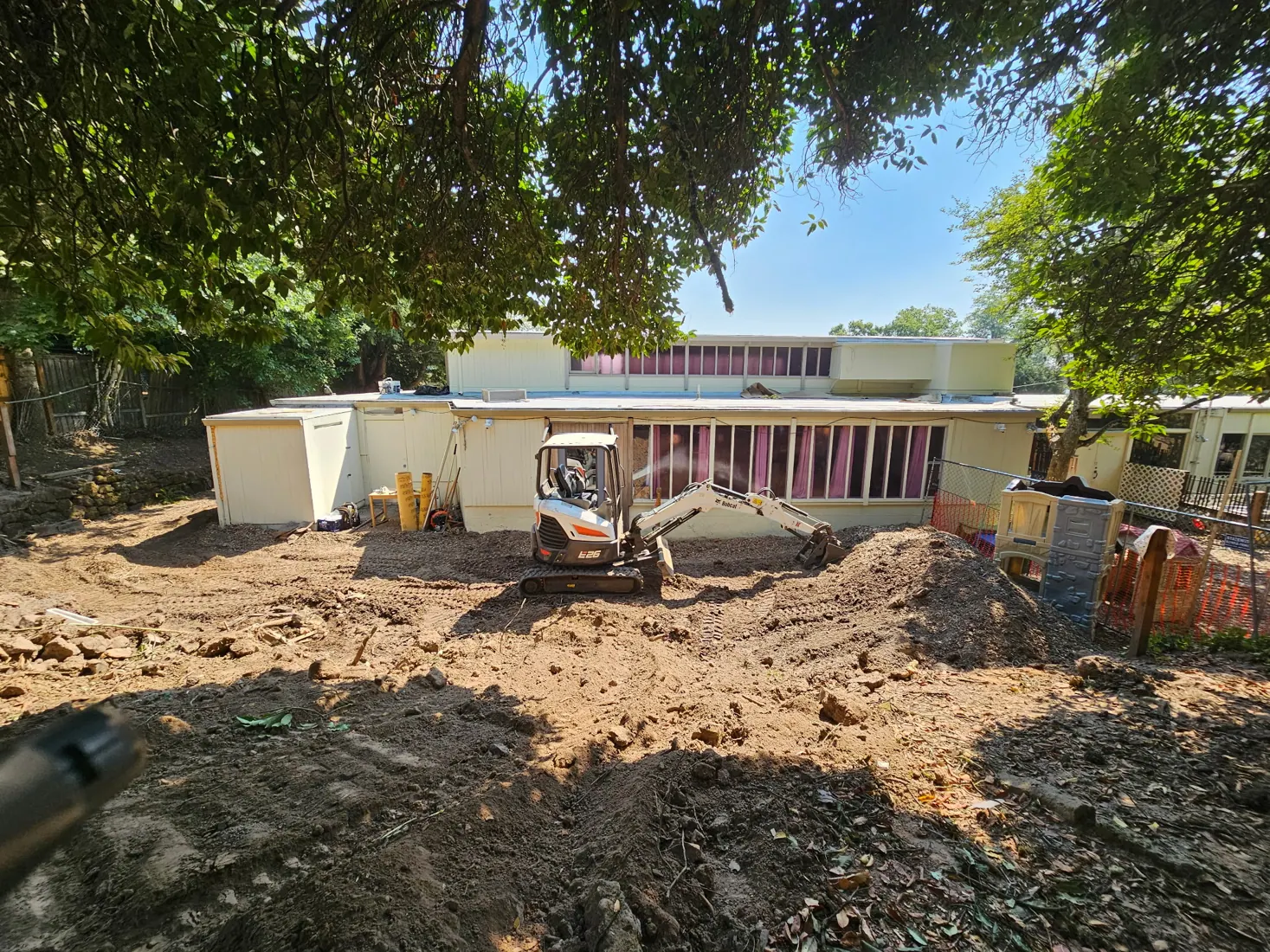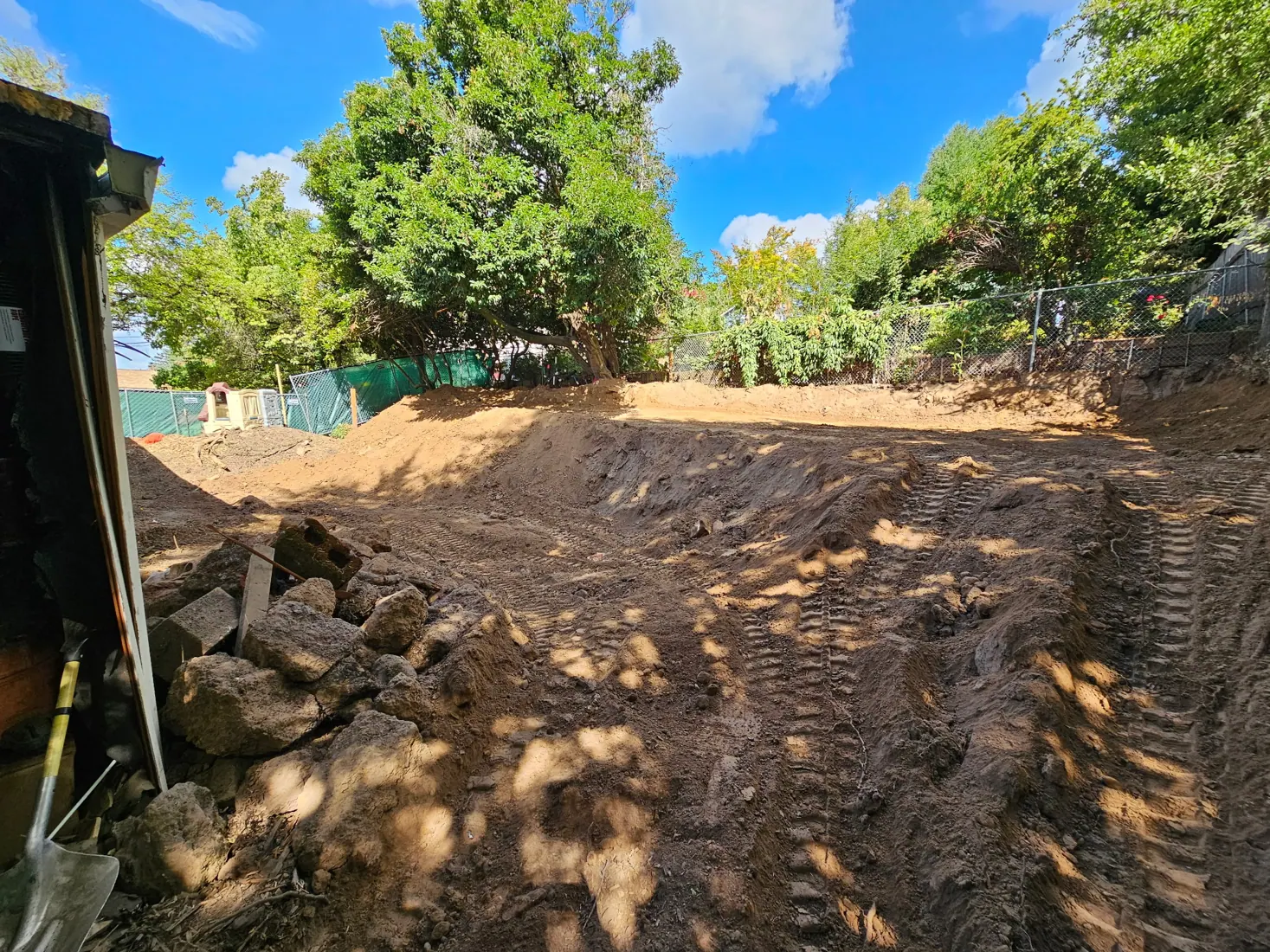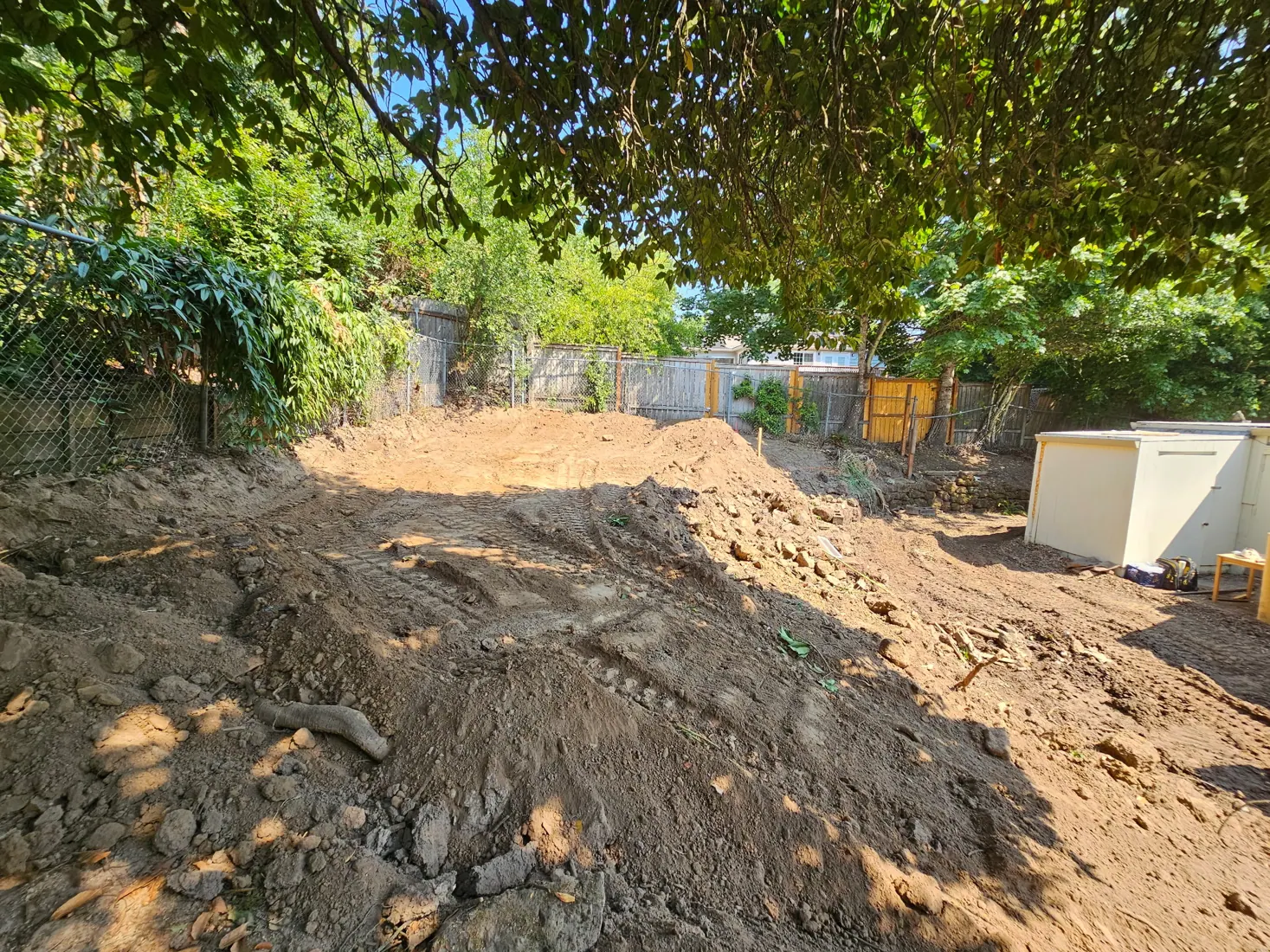
Sitework influences the schedule of everything that follows. Here is what developers, property owners and general contractors should coordinate early.
Get the groundwork into the conversation early
For commercial projects, site preparation is more than getting machinery on a lot. Existing conditions, plans, access, stormwater, utilities and adjacent activities all affect construction sequencing. Early conversations among the owner, general contractor, design team and sitework contractor can surface constraints before crews mobilize.
Define the scope precisely
A clear sitework scope may address clearing, excavation, cut and fill, rough grading, material hauling, subgrade preparation and related earthwork. It should distinguish between what the excavation subcontractor supplies and what other trades handle. Utility work, retaining structures, stormwater systems and specialized testing may be separate scopes and may require additional licensed trades, designs or approvals.
Coordinate survey, engineering and permits
Site plans, grading drawings and geotechnical recommendations guide construction. Jurisdictional permitting requirements differ across Portland-area cities and counties. Commercial projects can also involve erosion prevention and sediment control, stormwater approvals and inspections. The project team should confirm which permits and professional designs are necessary rather than assuming that the contractor's basic construction license covers every activity.
Protect the schedule with realistic logistics
Access to the site, trucking routes, soil disposal, material deliveries and the availability of work areas should be coordinated with the broader construction schedule. Weather-sensitive grading and saturated soils can complicate earthwork in the Willamette Valley. Establishing a practical sequence and communicating changes early helps reduce interference with foundations, utilities and paving.
Compare bids by inclusions, not just totals
A low bid can omit necessary work. Ask whether pricing includes mobilization, haul-off, disposal, imported material, specified compaction, protection of existing features, erosion controls and final cleanup. Define who handles testing and inspection coordination. When plans change or unforeseen subsurface conditions appear, a documented change process matters as much as the original quote.
An early conversation can prevent late surprises
If you're a developer, property manager or general contractor planning a substantial project in Beaverton, Clackamas, Salem or elsewhere in the valley, start with plans and a concise scope. Rivera Improvements can discuss excavation and earthmoving needs and determine whether the work fits its capabilities and applicable licenses. Nicholas Armstrong coordinates project inquiries and estimates.